
menu
-
Monopoly Go
-
FC 27
-
Diablo 4
-
Grow A Garden 2
-
MLB The Show 26
-
Call of Duty: MW4
-
College Football 27
-
Call of Duty: Black Ops 7
-
ARC Raiders
-
Fallout 76
-
GTA5
-
Path of Exile 2
-
Call of Duty: Black Ops 2
-
Aion 2
-
Madden NFL 27
-
Helldivers 2
-
Wardogs
-
Path of Exile 1
-
NBA 2K27
-
RuneScape: Dragonwilds
-
Aion Classic
-
Borderlands 4
-
Plants vs Brainrots
-
Seven Knights Re:birth
-
Growtopia
-
Bigo Live
-
Garden Tower Defense
-
Type://Soul
-
Creatures of Sonaria
-
ROM: Golden Age
-
Fish it
-
Hytale
-
Arknights: Endfield
-
The Seven Deadly Sins: Origin
-
DonutSMP
-
No Rest for the Wicked
-
Lineage Classic
-
The Midnight Walkers
-
Forza Horizon 6
-
Highguard
-
Anime Fighters Simulator: Endless
-
Bee Swarm Simulator
-
Raven 2
-
Legend of YMIR
-
Anime Eternal
-
Anime Vanguards
-
Where Winds Meet
-
Ashes of Creation
-
The Forge
-
Escape Tsunami For Brainrots

Battlefield 6 Just Dropped Its Biggest News Since Launch
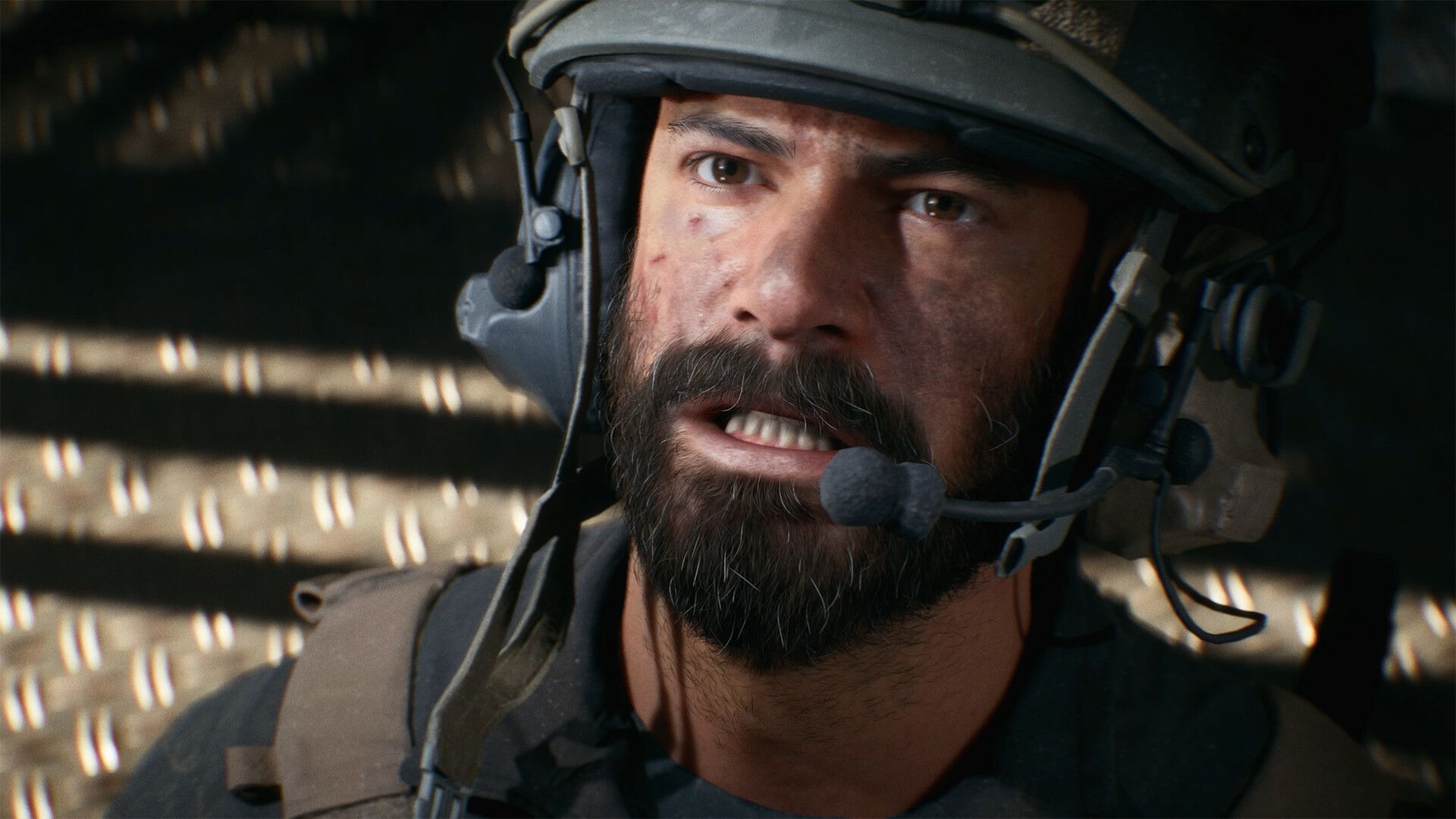
Here’s the thing about Battlefield 6. It launched in October 2025 to genuinely impressive numbers — record-breaking player counts, an 83/100 critic average, 90% recommendation rate on OpenCritic. For about three weeks, it felt like the franchise had finally found its footing again. And then the live service kicked in. Two maps per season. Balancing issues that sat untouched for months. A menu UI that looked like it was designed by someone who had never played a video game. The community’s patience, which started generous, eroded fast.
So when Battlefield Studios — the four-studio collective behind BF6 — invited press to a roadmap briefing and finally laid out their plans for Seasons 3, 4, and 5, the reaction was complicated. Not because the news is bad. Some of it is genuinely exciting. But because the gap between “this sounds great” and “this is enough” is wider than the developers seem to realize. Let me walk you through everything, with clear eyes.
Seven Maps Across Three Seasons — The Full Picture
Let’s start with the headline number, because it needs context. Seven maps sounds substantial. And across a six-to-eight month window, it is more than what Seasons 1 and 2 delivered. But the breakdown matters:
| Season | Launch Window | Maps | New vs. Remake |
|---|---|---|---|
| Season 3 | May 2026 | Railway to Golmud + Cairo Bazaar | Both remakes |
| Season 4 | July 2026 | Wake Island (remake) + Tsuru Reef | 1 new, 1 remake |
| Season 5 | Fall 2026 | Three maps (unconfirmed) | TBA — teaser shows oily water |
Three of the first four confirmed maps are remakes. That’s the number that’s generating the most friction in the community right now, and it’s a legitimate concern. Railway to Golmud is a reimagining of Battlefield 4’s Golmud Railway, set in Tajikistan, approximately four times the size of Mirak Valley. Cairo Bazaar is a reworked Grand Bazaar from Battlefield 3, relocated to Cairo. Both are beloved source maps — but “beloved” and “new” are different things.
The one genuinely new map before Season 5 is Tsuru Reef, and it’s the one I’m most curious about. Multiple islands, open water combat, described as the largest map in Battlefield 6 upon release. If the naval warfare systems are built around it properly, Tsuru Reef could be the map that defines this game’s identity going forward.
Naval Warfare Is Back — And It’s Not Just a Gimmick
Season 4 in July is where Battlefield Studios is making its boldest statement. Naval warfare returns to the franchise with a scope that goes well beyond slapping a boat into an existing map.
Here’s what’s confirmed for Season 4’s naval systems:
- Aircraft carriers as active map elements, not just background scenery
- Dynamic wave system that physically affects player aim and vehicle handling
- Naval-specific vehicles — details still limited, but the implication is dedicated watercraft classes
- Naval challenges and rewards — a progression track built around the new systems
- Wake Island remake as the anchor map, paired with Tsuru Reef
The dynamic wave system is the detail I keep coming back to. If it’s implemented with real mechanical depth — where a high-sea storm genuinely changes how you lead shots, how vehicles handle, how infantry positions on deck — that’s the kind of systemic layer that separates Battlefield from every other military shooter. It’s the franchise’s oldest promise: the environment is a weapon.
Motive senior creative director Roman Campos-Oriola put it plainly in the IGN briefing: the team has years of the best FPS maps ever made sitting in their back catalogue, and there’s genuine willingness to revisit them — but also a commitment to adding new layouts and design experiences. Season 4 is where that balance gets its first real test.
Proximity Chat, Server Browser, Platoons — The Features That Should Have Been There at Launch
Let me be direct about this section. Proximity chat, persistent server browsers, leaderboards, spectator mode, and platoons are not new ideas. They are standard features that have existed in Battlefield games for over a decade. The fact that Battlefield 6 launched in October 2025 without them is the most honest summary of what went wrong in Seasons 1 and 2.
That said — they’re coming. And the community reaction to the proximity chat confirmation has been, predictably, electric. There’s a reason. Prox chat in a Battlefield game isn’t just a communication feature. It’s a culture feature. The accidental conversations, the trash talk that turns into grudging respect, the moment a sniper calls out their own position because they’re laughing too hard — that’s the texture that makes a multiplayer game feel alive rather than transactional.
The server browser with persistent lobbies is arguably more strategically important, though. Persistent servers mean communities can form around specific servers, admins can enforce rules, and the game develops an ecosystem beyond EA’s matchmaking queue. That’s how Battlefield 3 and 4 sustained their player bases for years after their peak.
The Prox Chat Atmosphere Check
Here’s something worth testing the week proximity chat goes live:
Join a server on Railway to Golmud — the largest map in BF6. Spend 20 minutes playing normally, no prox chat. Then spend 20 minutes with prox chat enabled, actively engaging with nearby enemies. Note whether the subjective experience of the map feels different — not the gameplay, but the atmosphere. Does the map feel inhabited or mechanical?
If proximity chat is tuned correctly, the second session should feel qualitatively different. Not because anything changed in the game systems — but because the human layer got switched back on.
The QoL Overhaul — What’s Actually Getting Fixed
Beyond the headline features, Battlefield Studios confirmed a sustained effort throughout 2026 to address the game’s most persistent technical and design complaints.
The confirmed improvement areas:
- Audio — still one of the most-cited complaints from the community
- Hit registration — a problem that has plagued BF6 since launch
- Time-to-kill tuning — currently feels inconsistent across weapon classes
- Soldier visibility — players getting killed by enemies they genuinely cannot see
- Menu UI overhaul — the current UI is, by most accounts, genuinely bad
- Map reworks — New Sobek City and Blackwell Fields both confirmed for redesigns
The map reworks are interesting because they represent an admission. DICE knows those two maps don’t work. Saying it publicly, and committing to fixing them, is the kind of accountability that the community has been asking for since Season 1. Whether the reworks deliver is a different question — but the acknowledgment matters.
The Honest Assessment: What This Roadmap Gets Right and Wrong
I’ve been covering live service games long enough to know the difference between a roadmap that’s designed to generate headlines and one that’s designed to fix a game. This one is somewhere in between.
What’s genuinely good:
The naval warfare ambition in Season 4 is real. The QoL commitments are comprehensive. The three-map Season 5 — even as a one-time “holiday treat” — shows the team understands that content volume is a problem. Proximity chat and persistent servers are the right calls, full stop.
What’s still concerning:
Three of the first four maps are remakes. The two-maps-per-season cadence that drew criticism in Seasons 1 and 2 continues through Season 4. Ripple Effect executive producer Ryan McArthur’s explanation — that they want to “get it right” and take time for balancing — is reasonable, but it’s also the same explanation that was given for the slow Season 1 and 2 cadence. At some point, the explanation and the result need to match.
Hardcore Gamer’s assessment from the briefing is probably the most accurate summary: “Battlefield 6’s 2026 is a lot clearer now — it’s just a very mixed bag.”
Season-by-Season Strategy Guide
If you’re a returning player deciding when to jump back in, here’s the honest breakdown of when each season makes sense for different player types:
| Player Type | Best Entry Point | Why |
|---|---|---|
| Large-map / vehicle enthusiast | Season 3 (May) | Railway to Golmud is the biggest map yet |
| Naval warfare fans | Season 4 (July) | Aircraft carriers, Wake Island, Tsuru Reef |
| Community / social players | When prox chat + server browser launch | Persistent servers change the social dynamic entirely |
| Competitive players | Season 3 (May) | Ranked play arrives in REDSEC |
| Casual / returning players | Season 5 (Fall) | Three maps + holiday content = best value window |
The Experience Chain: What Playing BF6 Right Now Actually Feels Like
I want to be honest about where the game sits today, because the roadmap news doesn’t change the current state — it promises to change the future state.
Right now, Battlefield 6 is a game with a genuinely excellent foundation — the movement feels right, the destruction is back, the Frostbite engine is doing things that no other military shooter can replicate — buried under a live service structure that has consistently under-delivered on content and over-delivered on frustration. The audio issues are real. The hit registration problems are real. The menu UI is genuinely one of the worst in a major release in recent memory.
The roadmap is an acknowledgment of all of that. And acknowledgment is step one. But players who burned out after Season 2 aren’t going to come back on the strength of a roadmap presentation. They’re going to come back when Railway to Golmud drops in May and feels as good as the trailer suggests. They’re going to come back when Wake Island’s naval warfare actually delivers the dynamic, chaotic, carrier-assault experience that the briefing described.
That’s the real test. Not the announcement. The execution.
Getting Ready for the New Seasons
For players who want to hit the ground running when Season 3 drops in May — especially in competitive modes and ranked play — having a practiced foundation matters. If you’re looking to sharpen your skills in lower-pressure environments before ranked play goes live, U4GM.com offers Battlefield 6 Bot Lobby services that let you practice mechanics, test loadouts, and get comfortable with new maps before jumping into full competitive lobbies. With Railway to Golmud being four times the size of anything currently in the rotation, knowing the layout before ranked play opens is a genuine strategic advantage.
The Full 2026 Roadmap at a Glance
| Feature / Content | Expected Window |
|---|---|
| Railway to Golmud (BF4 remake) | Season 3 — May 2026 |
| Cairo Bazaar (BF3 remake) | Season 3 — May 2026 |
| Ranked Play (REDSEC) | Season 3 — May 2026 |
| Naval Warfare Systems | Season 4 — July 2026 |
| Wake Island (remake) | Season 4 — July 2026 |
| Tsuru Reef (new map) | Season 4 — July 2026 |
| Three Maps (unconfirmed) | Season 5 — Fall 2026 |
| Proximity Chat | 2026 (TBD) |
| Server Browser + Persistent Servers | 2026 (TBD) |
| Leaderboards + Spectator Mode | 2026 (TBD) |
| Platoons | 2026 (TBD) |
| Map Reworks (New Sobek, Blackwell) | 2026 (TBD) |
| Audio / TTK / Hit Reg Fixes | Ongoing throughout 2026 |
Seven maps. Naval warfare. Proximity chat. A server browser. Map reworks. It’s a lot of promises stacked in a row. Battlefield 6 has the bones to be something genuinely special — the launch proved that. Now the question is whether Battlefield Studios can deliver on the roadmap with the same quality the core game showed at launch, or whether 2026 becomes another year of “almost.”
May can’t come fast enough.
