
Menu
-
Monopoly Go
-
FC 27
-
Diablo 4
-
Grow A Garden 2
-
MLB The Show 26
-
Call of Duty: MW4
-
College Football 27
-
Call of Duty: Black Ops 7
-
ARC Raiders
-
WoW Forever
-
GTA5
-
Path of Exile 2
-
MapleStory Classic World
-
Aion 2
-
Madden NFL 27
-
Helldivers 2
-
Wardogs
-
Path of Exile 1
-
NBA 2K27
-
RuneScape: Dragonwilds
-
Legend of YMIR
-
Marathon
-
Raven 2
-
Travel Town
-
WoW Midnight
-
Fish it
-
Plants vs Brainrots
-
Vampir
-
Growtopia
-
Garden Tower Defense
-
Type://Soul
-
Escape Tsunami For Brainrots
-
Bigo Live
-
Seven Knights Re:birth
-
Survive LAVA for Brainrots
-
Hytale
-
Arknights: Endfield
-
Anime Fighters Simulator: Endless
-
The Seven Deadly Sins: Origin
-
Bee Swarm Simulator
-
DonutSMP
-
The Forge
-
Ashes of Creation
-
Where Winds Meet
-
Anime Vanguards
-
No Rest for the Wicked
-
Lineage Classic
-
The Midnight Walkers
-
Forza Horizon 6
-
Anime Eternal

The One Detail in Diablo 4’s Lord of Hatred Reveal That Slipped Past Most Players
Blizzard’s 30th anniversary spotlight hit like a freight train a few days ago, and the hype around the Lord of Hatred expansion has been deafening. Warlock class incoming, set bonuses making a comeback, customizable endgame through War Plans, a brutal new Echoing Hatred mode—there’s a lot to unpack. I’ve been grinding Diablo 4 since launch, through the rough early seasons and the much smoother Vessel of Hatred era, and I watched the reveal live. Everyone’s talking about the flashier stuff, but there’s one change buried in the skill tree overhaul that I think flew under the radar for most people. It’s not the Warlock itself, though that looks wild. It’s the complete removal of passive skills from class trees, and the ripple effect that’s going to have on how we approach builds heading into April 28, 2026.
I’ll get to why I think this matters more than it seems in a minute. First, let’s ground ourselves in what actually got announced.
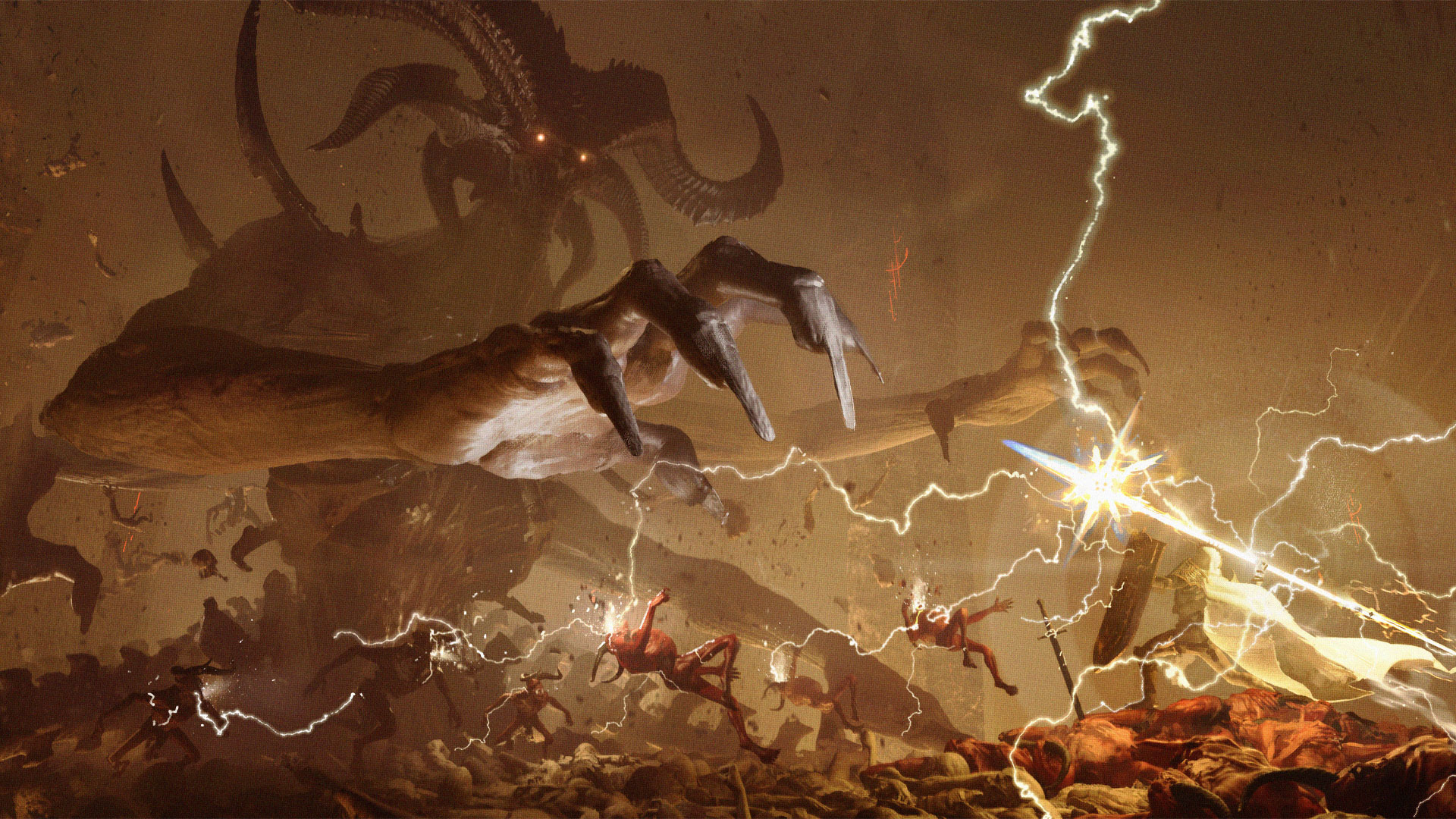
What Blizzard Actually Said About the Skill Trees
During the spotlight, the devs spent a good chunk of time on the skill tree revamp. They showed mockups with far fewer nodes, more branching paths, and—here’s the part that got glossed over in most reactions—no passive nodes at all. Every point you spend now goes into active abilities, modifiers, or what they’re calling “choice nodes” that force real decisions. No more dumping points into +10% crit chance or +15% resource generation just because they’re on the way to something else.
I went back and rewatched the segment twice. The slide literally says “Passives have been removed from the Skill Tree” in plain text, but the chat was exploding about the Warlock summoning demons and cursing entire screens, so it got buried. Even major outlets mostly mentioned it in passing while focusing on the new class or the return of set bonuses.
Why does this matter? Because it fundamentally changes how you plan a character from level 1 to endgame.
My Experience Chain: Why Passives Were Quietly Carrying Builds
I’ve leveled every class multiple times since Vessel of Hatred dropped. My main right now is a Thorns Barbarian that’s been pushing Pit 150+ pretty comfortably. A huge chunk of that power comes from passive nodes that stack armor, thorns return, and damage reduction without me having to think about them once they’re allocated. They’re set-it-and-forget-it multipliers.
Last season, I ran a Spiritborn Centipede build that leaned hard on passive poison application and resolve stacks. Those nodes let me focus my active rotation on positioning and burst windows instead of constantly managing small buffs. It felt fluid, almost forgiving in longer fights.
Take those away, and every point becomes a meaningful choice. You’re not just pathing efficiently anymore; you’re deciding what your character actually does in combat.
Reproducible Test: Try This Now to Feel the Difference
If you want to understand what’s coming, do this experiment tonight on your current character:
- Open your skill tree.
- Mentally subtract every pure passive node (the ones that only give stats, no active effect).
- Estimate how much raw power you lose—usually 20-40% depending on the build.
- Now imagine having to spend those points elsewhere: deeper investment in one active branch, or spreading thin across multiple.
That’s the Lord of Hatred reality. I did this with my Barb last night and realized my thorns scaling would drop off a cliff without those armor and damage reduction passives. I’d have to pivot hard into gear or paragon to compensate.
Here’s a quick table I threw together based on current live builds versus what we can reasonably expect post-revamp, using publicly shown mockups and my own testing:
| Aspect | Current System (Season 11/12) | Lord of Hatred System (Projected) | Strategic Impact |
|---|---|---|---|
| Skill Points Available | ~60 by level 100 + Paragon | ~72 total (12 extra announced) | More room, but every point forces an active choice |
| Passive Scaling | Heavy (armor, resists, crit, resource gen) | Moved to gear/charms/talismans | Gear becomes mandatory for baseline power |
| Build Diversity | High, but many “filler” nodes | Likely higher, forced branching | Fewer cookie-cutter builds, more experimentation |
| Rotation Complexity | Medium—passives handle background math | Higher—everything you want must be activated | Rewards mechanical skill over stat stacking |
Why This Shift Makes Strategic Sense (And Keeps Boundaries)
Blizzard’s clearly trying to move away from the “passive stat stick” problem that plagued early Diablo 4. Remember launch? Everyone just stacked damage reduction until nothing could kill you. Passives were a big part of that. By stripping them out of the tree and pushing those effects into gear—especially the new Talisman and Charm slots—they’re putting power back into items and active play.
I like the boundary it sets. You can’t just autopilot through the campaign anymore by dumping points into safe passives. Leveling will feel punchier, more deliberate. And for endgame, the new War Plans system—where you design your own dungeon modifiers—pairs perfectly with this. You’ll craft challenges around your active toolkit instead of leaning on invisible multipliers.
That said, I’m cautious. If the baseline power loss is too steep without perfect gear, casual players could feel punished. We’ll need the PTR to test that properly.
Gearing Up for the New Reality
With passives moving to items, the hunt for strong rolls just got more intense. Set bonuses returning is huge—classic Diablo 2 style, but balanced for modern play. If you’re prepping for Lord of Hatred or just pushing current Pit tiers, sites like U4GM.com have solid options for buying Diablo 4 items safely to bridge the gap until natural drops catch up.
I’ve used third-party markets sparingly over the years, mostly for convenience during heavy grind seasons, and it helps when you’re chasing specific affixes without burning out.
Final Thoughts After Sleeping On It
The Warlock looks insane—summoning demons, cursing entire rooms, bending hell magic to your will. The Paladin being available now for pre-purchase is a nice bonus. But the real long-term winner in this expansion might be the skill tree overhaul nobody’s talking about. It forces us to play the game instead of just watching numbers go up.
I’m excited. After Vessel of Hatred cleaned up so much of the mess, this feels like the next logical step: deeper mechanical engagement without losing the loot chase. We’ll see how it feels when the PTR drops, but right now? This is the detail that has me rethinking every build I’ve ever loved.
April can’t come soon enough.
